

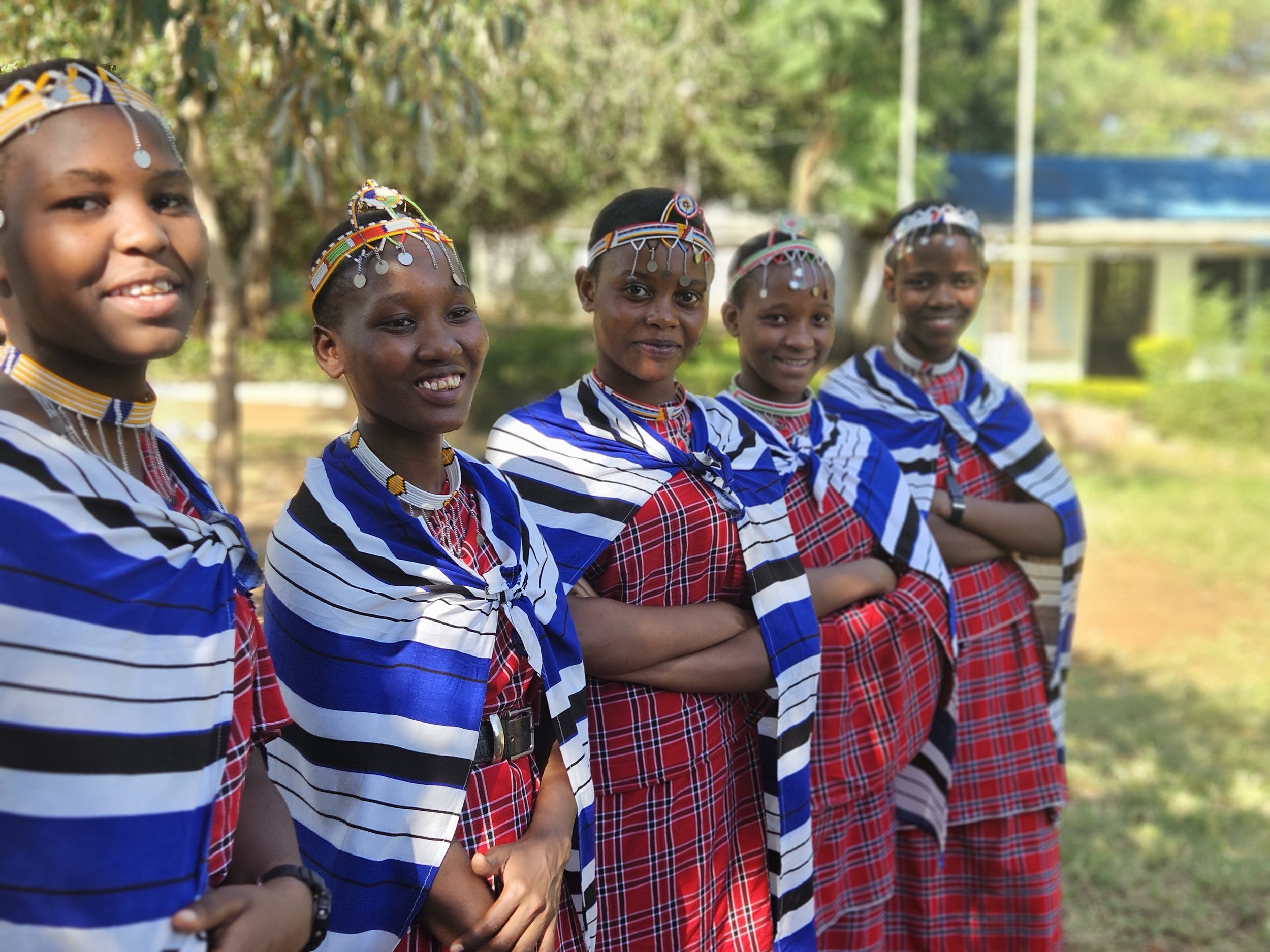
Tanzania - Maasai
Founded in 2023 | Located in Simanjiro, Orkescumet Village, Arusha | 55+ Youth Served Weekly
This program gives young people the opportunity to learn and preserve their community's traditional ceremonial and ritual practices — knowledge that has been passed down for generations but faces increasing pressure from modernization and cultural displacement.
Guided by elders and cultural keepers, students learn the songs, rites, and traditions that mark significant milestones in Maasai life — from coming-of-age ceremonies to seasonal rituals rooted in the community's deep connection to land and livestock. For many students, this program offers something rare: a structured space to sit with their elders, ask questions, and carry forward practices that might otherwise fade with time.
Beyond preserving tradition, the program instills a strong sense of pride and identity in Maasai youth, many of whom face pressure to abandon traditional practices in favor of Western lifestyles. By keeping these ceremonies alive, students become active participants in their own culture — not just observers of a fading past.
Meet The Culture Keeper
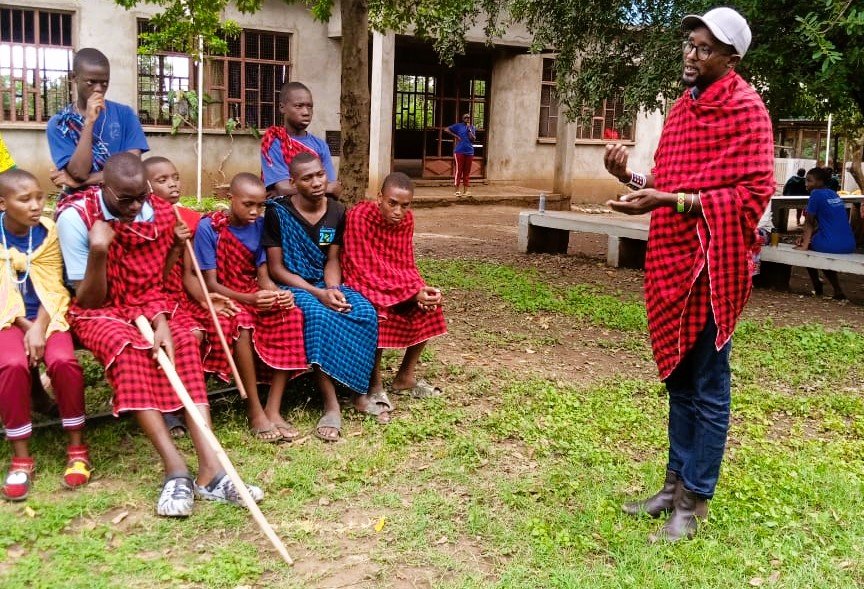
Mirishe is a Maasai warrior and has been teaching youth about their culture for more than 10 years. His teaching focuses on the importance of singing, dancing, and respecting the culture in Tanzania or anywhere in the world. This includes creating exchanges between tribes throughout East Africa. He has worked with the Umoja Center in Tanzania, where he supported youth development on the whole being - education & livelihoods, well-being & health, relationships & life skills, sports, family, and community. Currently, as chief of his village in Lormorije Simanjiro, his responsibilities include organizing traditional ceremonies and helping the community maintain health + medicinal traditions passed down by elders.
Mirishe
“It’s important for me to keep our traditional culture because it is leading my community to unity and teaching our youth respect. And in Tanzania, we are one of the only tribes still keeping our ancestral traditions until now.”